Service · Interactive history

Travel through the centuries

We create 3D experiences that show how a place has changed over time: online, on a phone, with nothing to install. For towns, museums and heritage sites.

ExploreCompareDiscover
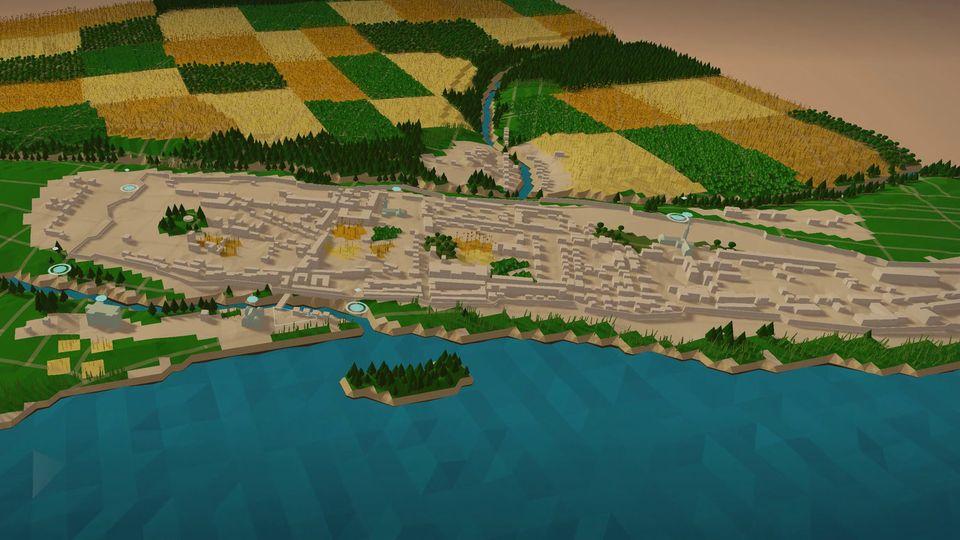
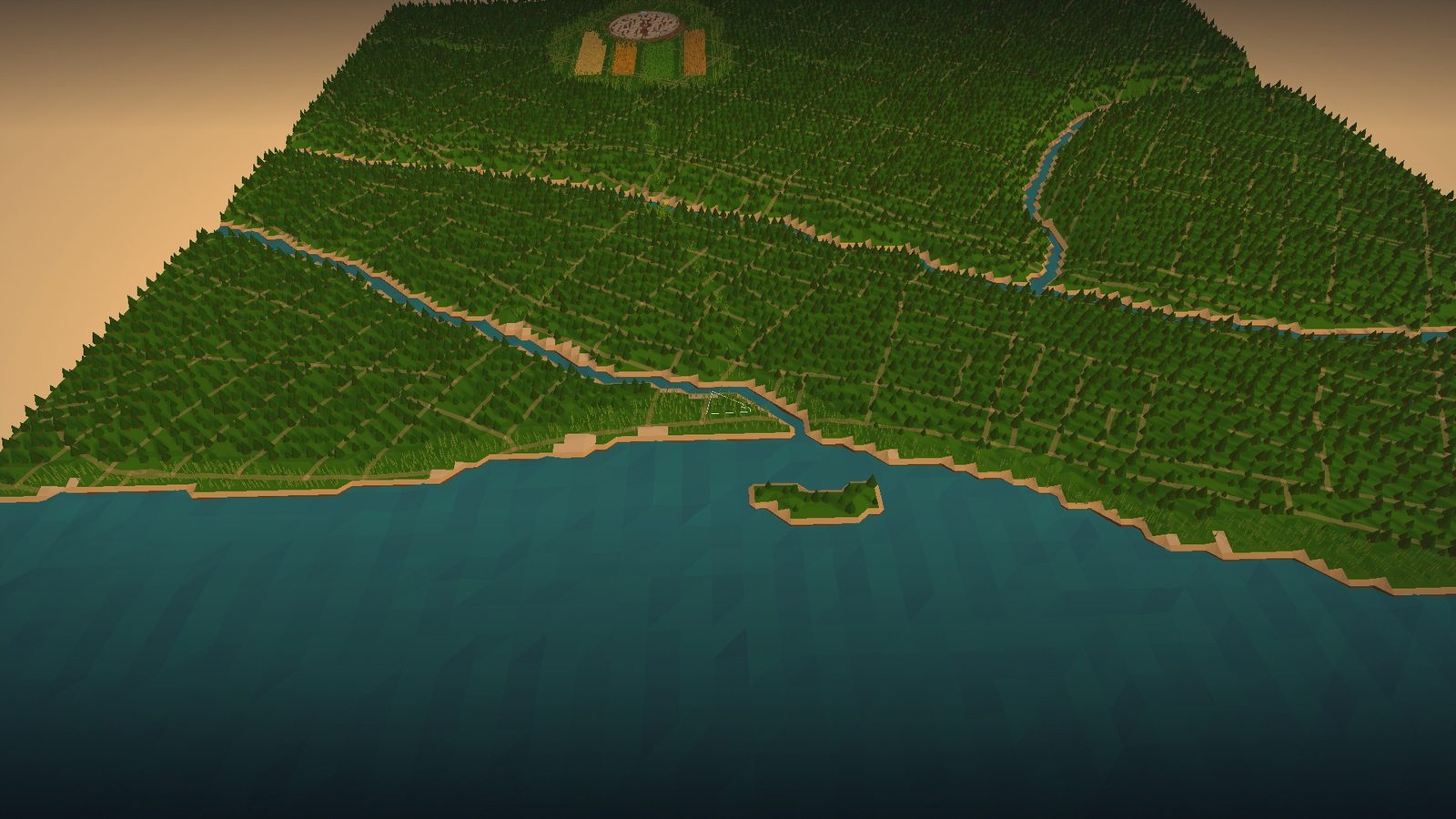
The land of Montréal around 1350: the forest, the river and the village of Hochelaga
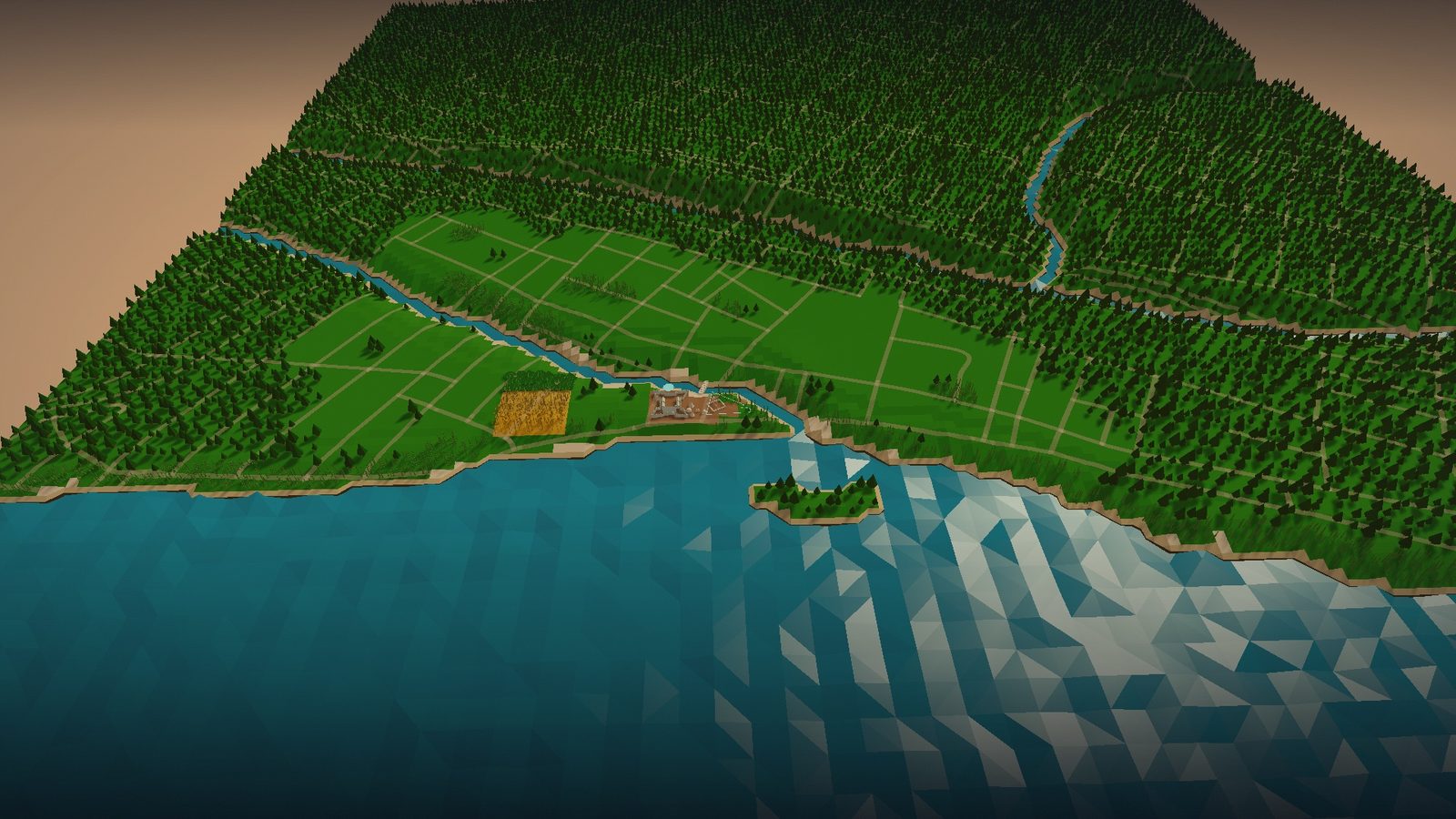
Ville-Marie in 1642: the fort, the fields and the river
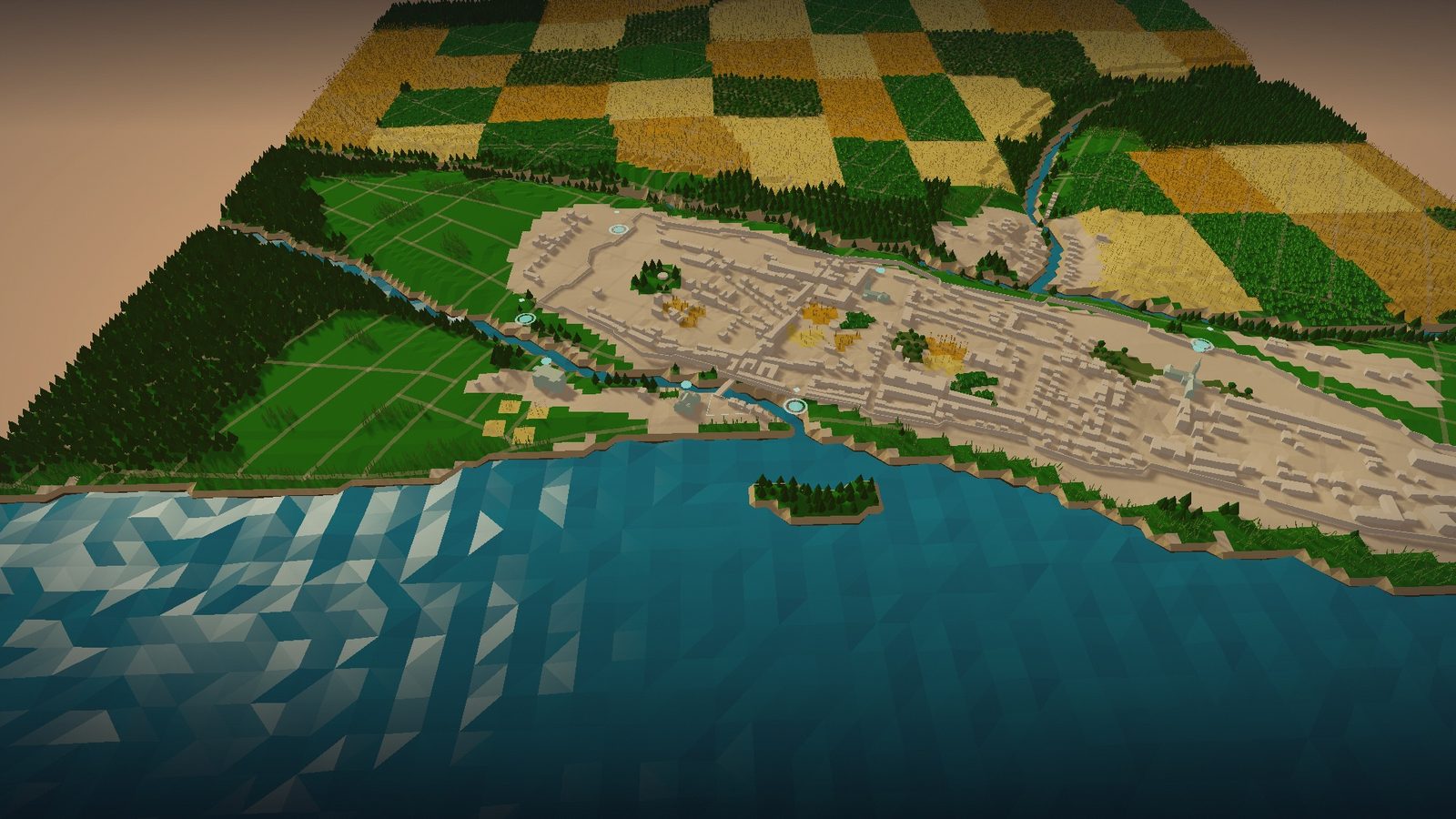
Montréal in 1760: the town surrounded by its fortifications
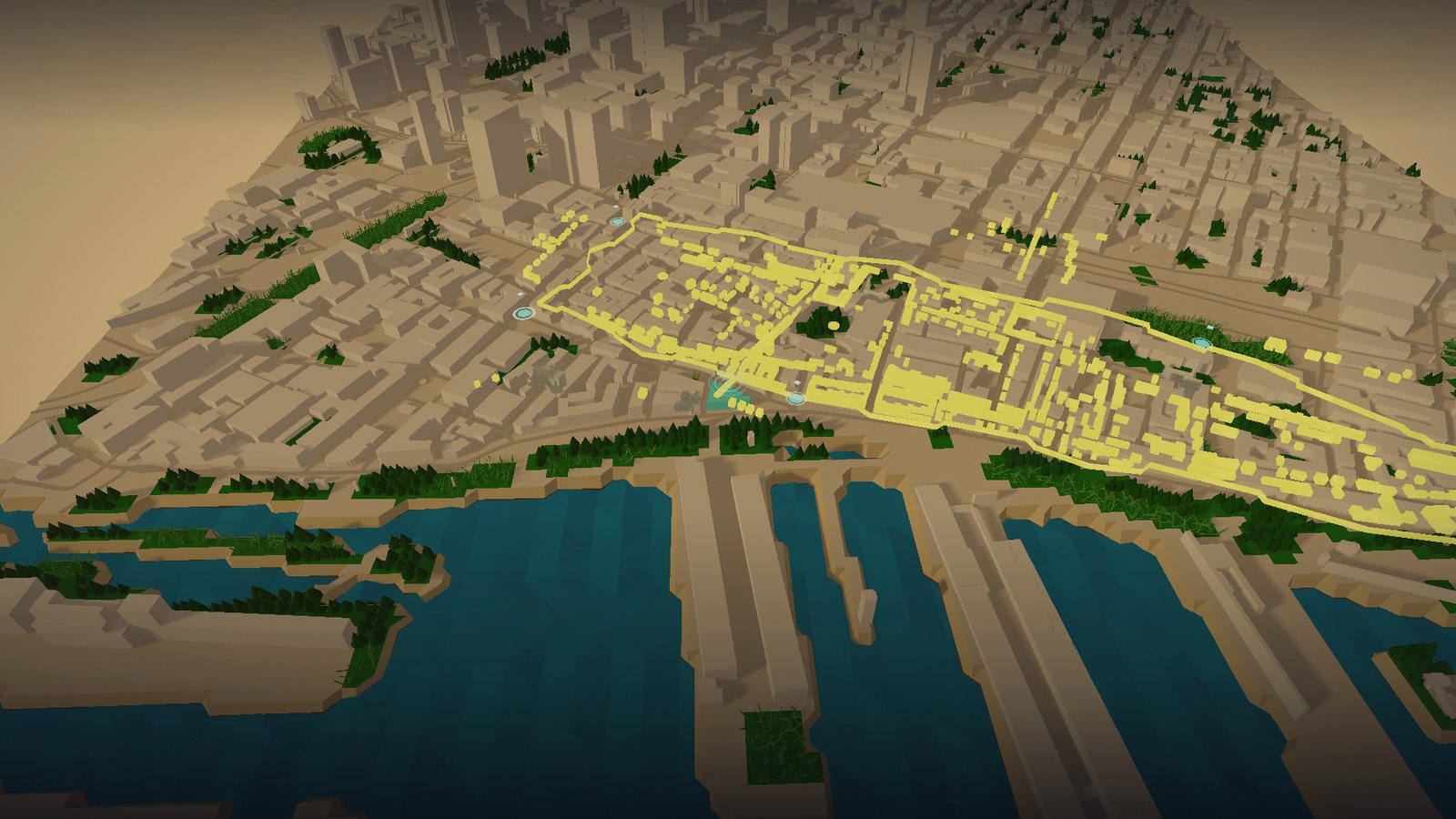
Montréal in 2026, with the buildings and fortifications of 1760 overlaid in yellow

The idea

Travel through the centuries in one gesture

1350

Hochelaga

The forest, the river and the Iroquoian village, with its longhouses and cornfields.

Features

Everything a visitor can do

Each feature is shown as it works in the Montréal demo.

01

Clickable buildings

One click on a building brings the camera in front of it and opens a card with its history and period images.

  • Automatic camera approach
  • Card with text and period images
  • Markers on the key places
02

Then and now, in the same place

Markers on the map open archival photographs of the place, to compare with today’s view.

  • Photographs from several eras for one place
  • Switch between eras in one click
  • Markers only appear in the right years
03

On a phone, in French and English

The experience opens in a phone’s browser, with no app. The language switches with one tap.

  • Nothing to install
  • Touch gestures to rotate and zoom
  • All texts in French and English

Example

Montréal through time

A 3D exploration of the city, from 1350 to today, with clickable buildings and archival photographs.

eras to explore
4
apps to install
0
languages: French and English
2
Fortified Old Montréal in 1760 in 3D, between the river and the fields

Who it is for

One place, one story, one audience

Every project starts from a real place and from what your visitors should discover.

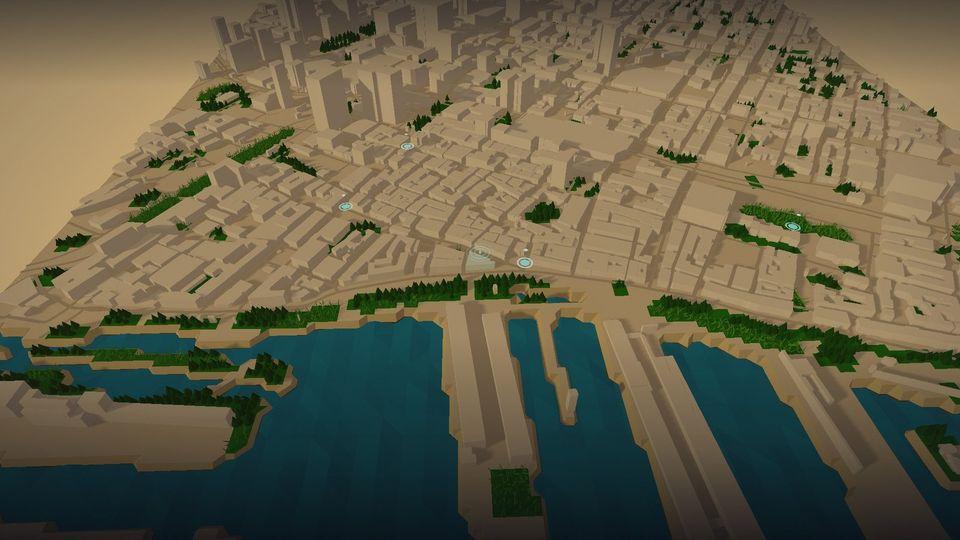
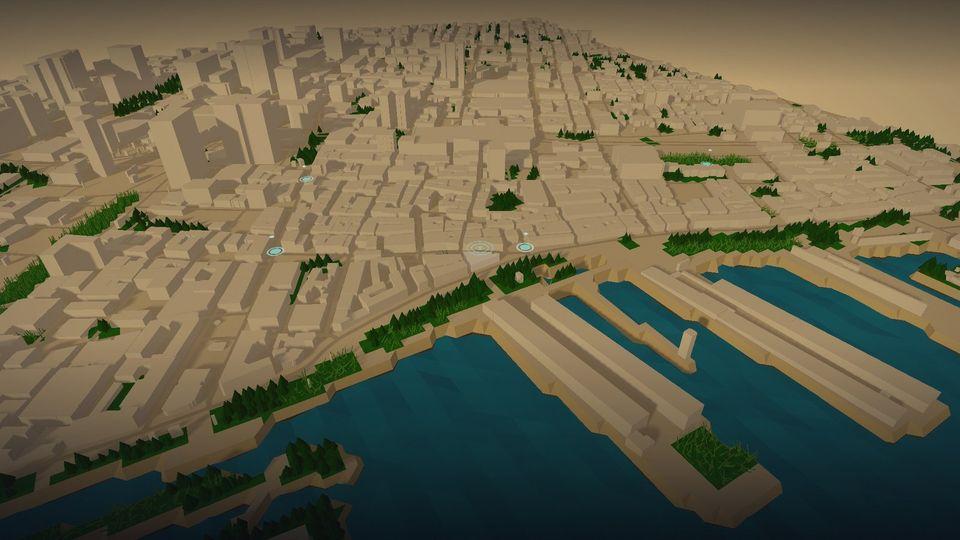
Montréal in 2026 in 3D: downtown and the Old Port01

Towns and municipalities

Help residents and visitors discover local heritage, for an anniversary, a walking route or a cultural project.

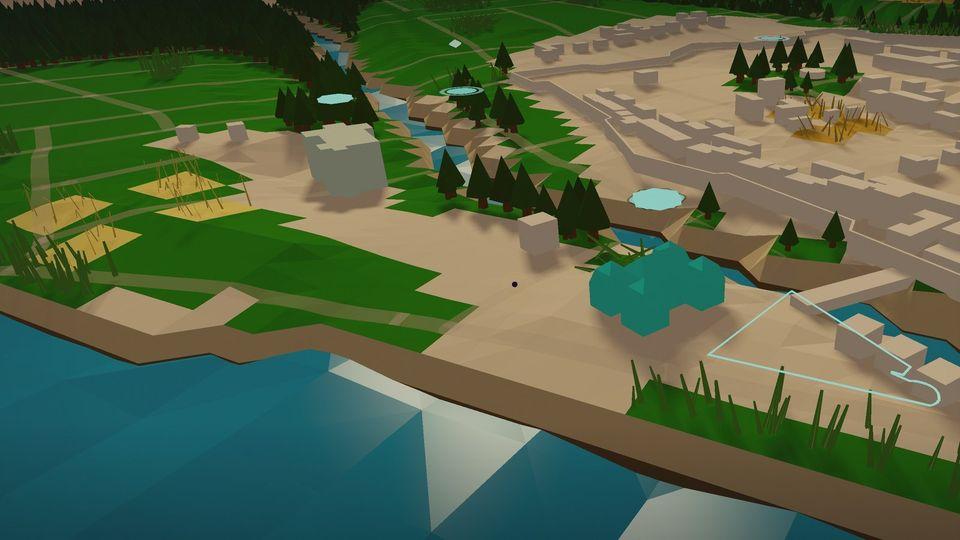
The Château de Callière highlighted in the 3D experience02

Museums and cultural venues

Extend a visit or an exhibition online, with content validated by your team and accessible to everyone.

Fortified Montréal in 1760, surrounded by fields, in 3D03

Heritage sites and tourism organizations

Bring a site, a historic district or a route to life, online or on a screen on site.

Our approach

What guides every project

  • Review by a historian
  • Sources and uncertainties shown
  • Accessible to everyone
  • Image rights cleared from the start
  • Usage measurement

How we work

A clear collaboration, step by step

Each step is approved in writing before the next one begins.

01 / 05

Scoping

Define the place, the eras to show, the audience and the content you already have.

Options

Three ways to start

Every project is priced line by line after a scoping phase: design, 3D, historical review, translation, image rights and hosting.

01

Prototype of a place

To test the idea. A first version of your place in two eras, to convince your team or support a funding application.

  • Scoping of the place and eras
  • 3D model of one area
  • Two eras and their transition
  • Online version to share
02

Online experience

Most complete. A fixed-scope project of 4 to 5 months, with written approval at every step.

  • Several eras and transitions
  • Clickable buildings and cards
  • Archival photographs to compare
  • French and English
  • Review by a historian
  • Usage measurement and report
03

Kiosk or screen

On site. The same experience on a screen at your venue, with QR codes to continue on a phone.

  • Same content as the online version
  • Adapted to a touch screen
  • QR codes to the phone version
  • Hardware chosen with you

Practical questions

What to know before you start

Who provides the texts and archival images?
The historical content comes from you or your historians; we help structure it. Rights to archival images are cleared from the start and their fees are budgeted separately.
Do we need to install an app or hardware?
No. The experience runs in a browser, on a computer, tablet or phone. A version for a kiosk or an on-site screen is possible with the same content.
Is the experience accessible and bilingual?
Yes. It is designed in French and English, with a non-3D alternative for people who cannot use the 3D view, according to the applicable accessibility standards.
How long will an online experience last?
We use open web standards rather than proprietary plug-ins that eventually disappear. Hosting and updates are defined in the proposal.
Is funding available?
Depending on the type of organization, yes. For example, Digital Museums Canada supports online projects led by museums, and some cultural development agreements can support municipal projects. Conditions change: check them with each program. We can contribute to the technical part of an application.
How much does a project cost?
We price by line item after a scoping phase: design, 3D, historical review, translation, image rights and hosting. Let’s talk to build an estimate that fits your place.

Your place

Let’s tell the story of your place.

Tell us about your town, your museum or your site. We will tell you what is possible and where to start.

3D view of Old Montréal and downtown today